
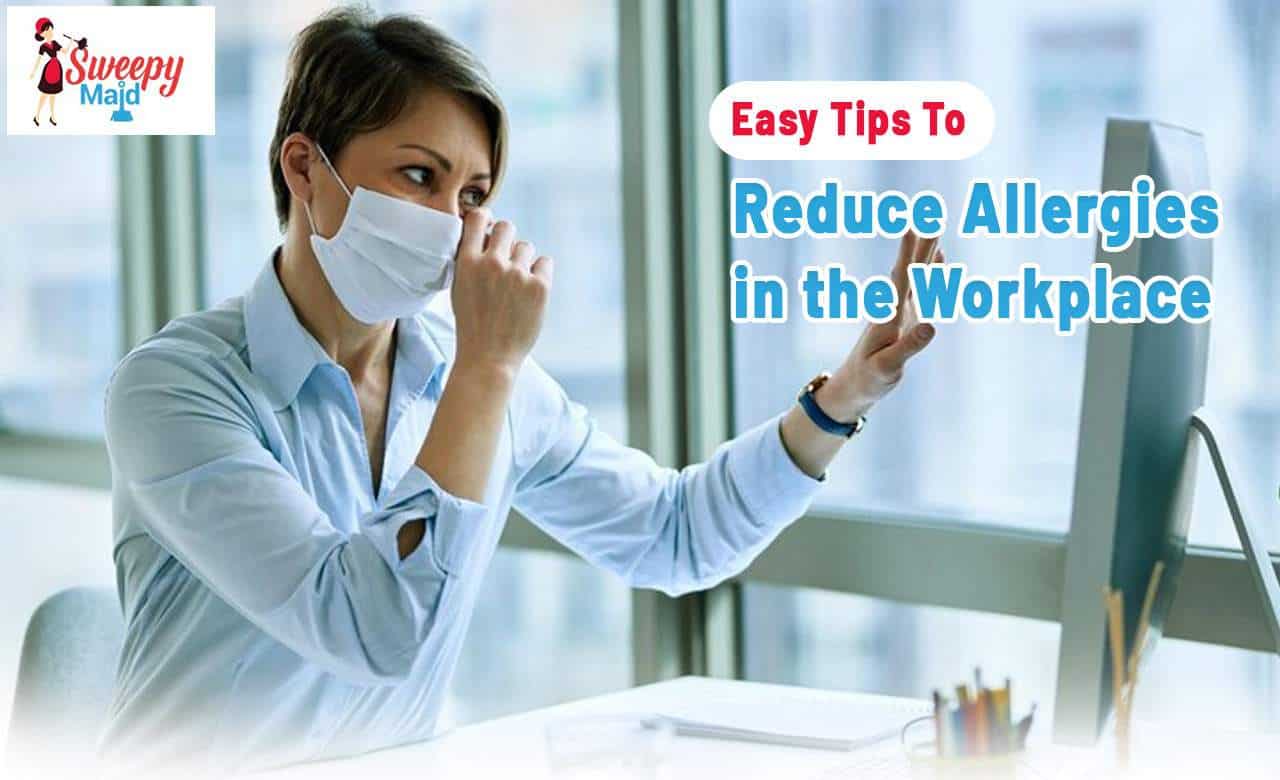

A clean workplace is not just about appearances. It directly affects how people feel, how often they fall sick, and how productive they are during the day. When allergies start showing up in the office, things can quickly go downhill. Sneezing. Headaches. Watery eyes. Breathing issues. Fatigue. All of this impacts employee comfort and overall performance. Many businesses underestimate how important it is to actively remove the allergies from the workplace. Allergens quietly build up over time, especially in busy offices where people spend long hours every day. The good news is that with the right approach, allergies can be reduced and often prevented altogether.
This guide walks you through practical, realistic steps to create a cleaner, healthier, and allergy friendly workplace.
Why Workplace Allergies Should Be Taken Seriously
Office allergies do not just affect one person. They affect the entire team.
When allergens circulate in the air or sit on surfaces, they lead to increased sick days, lower morale, and reduced productivity. Employees feel uncomfortable. Focus drops. Energy levels fall.
From a business point of view, an allergy filled workplace can also impact client impressions. No one wants to walk into an office that feels dusty, smells off, or triggers breathing issues.
That is why taking steps to remove the allergies from the workplace is not optional. It is essential.
Understand the Common Causes of Office Allergies
The first step toward solving any problem is understanding where it starts.
In most offices, allergies come from a mix of hidden sources:
Dust and dust mites in carpets, chairs, and vents
Mould growth from moisture or poor ventilation
Pet hair and dander in pet friendly offices
Chemical residues from harsh cleaning products
Outdoor pollutants entering through doors and windows
Food particles in break rooms and shared spaces
Once you know what causes allergies in your workplace, it becomes easier to control them.
Deep Cleaning Is Not a Luxury. It Is a Necessity
Daily surface cleaning helps, but it is not enough to remove allergens fully.
Allergens settle deep into carpets, upholstery, air vents, and corners that regular cleaning misses. This is where professional deep cleaning becomes crucial.
Scheduling deep cleaning at least once a month helps eliminate built up dust, bacteria, and hidden allergens. Professional cleaners know how to clean areas most people forget, such as behind furniture, inside vents, under desks, and around equipment.
Many businesses choose to work with experienced cleaners in Victoria to ensure the job is done properly without disrupting daily operations.
Control Dust Before It Becomes a Problem
Dust is one of the biggest allergy triggers in offices.
It collects quickly on desks, shelves, computers, chairs, and office equipment. If left unmanaged, it spreads into the air and affects everyone in the room.
To help remove the allergies from the workplace, focus on dust control strategies:
Use microfiber cloths instead of dry dusters
Clean desks, keyboards, and screens regularly
Vacuum carpets and rugs frequently
Avoid clutter that traps dust
Clean blinds, vents, and light fixtures
Microfiber cloths are especially effective because they trap dust instead of pushing it into the air.
Manage Carpets and Upholstery Carefully
Carpets and fabric furniture can be allergy magnets.
They trap dust mites, pollen, pet hair, and other allergens deep within their fibers. Over time, this buildup becomes a major source of allergic reactions.
Regular vacuuming is important, but it is not enough on its own. Periodic professional carpet and upholstery cleaning removes deeply embedded allergens and improves indoor air quality.
If your office uses carpets extensively, professional cleaning becomes one of the most effective ways to remove the allergies from the workplace.
Reduce Animal Allergens in Shared Spaces
Some offices allow pets, while others deal with pet hair carried in on clothing.
Animal allergens are powerful and can trigger strong reactions, including sneezing, coughing, itchy eyes, and breathing difficulties.
If pets are allowed, clear cleaning rules should be established. If not, policies should limit exposure and ensure thorough cleaning of shared areas.
Frequent vacuuming, upholstery cleaning, and surface sanitizing help reduce pet related allergens significantly.
Improve Indoor Air Quality
Air quality plays a huge role in workplace allergies.
Poor ventilation allows allergens to circulate and stay trapped indoors. Dirty HVAC systems spread dust, mould spores, and bacteria through the entire office.
To improve air quality:
Service HVAC systems regularly
Replace air filters on schedule
Use air purifiers in high traffic areas
Ensure proper airflow throughout the space
Clean air reduces allergic reactions and helps employees breathe easier throughout the day.
Be Careful With Cleaning Products and Air Fresheners
Not all cleaning products help allergy control. Some make it worse.
Harsh chemicals and strong fragrances release volatile organic compounds into the air. These compounds can trigger asthma, headaches, and allergic reactions.
Instead, choose cleaning protocols that focus on low residue, low fragrance solutions. Many professional Office Cleaning in Victoria services follow safer cleaning standards that protect both cleanliness and air quality.
The goal is to clean without introducing new irritants.
Address Food Allergies and Shared Kitchen Spaces
Food allergies are often overlooked in office environments.
Shared kitchens, break rooms, and eating areas can easily become sources of allergic reactions. Crumbs, spills, and cross contamination increase risks.
Encourage proper food storage and cleaning habits. Clean surfaces thoroughly after meals. Empty trash regularly. Sanitize shared appliances.
Open communication also helps. Knowing if employees have severe food allergies allows management to take simple steps that prevent serious reactions.
Control Fragrance Sensitivities
While fragrance is not always an allergy, it can still cause discomfort.
Strong perfumes, scented products, and chemical smells may lead to sore throats, headaches, watery eyes, and breathing issues.
Maintaining clean air, servicing air conditioning systems, and avoiding overly scented products creates a more comfortable environment for everyone.
Keep Allergy Medication and First Aid Available
Even with prevention, allergic reactions can still happen.
Keeping basic allergy medication and first aid supplies on site allows quick response in emergencies. This simple step shows care for employee health and preparedness.
Professional Cleaning Makes the Biggest Difference
The most effective way to remove the allergies from the workplace is consistency.
Professional cleaners follow structured cleaning protocols, use the right tools, and focus on areas that matter most. They help maintain a hygienic environment that supports employee health long term.
Businesses that partner with trusted services like Sweepy Maids benefit from thorough cleaning, healthier air, and reduced allergy related issues.
Final Thoughts
Workplace allergies do not appear overnight. They build up slowly through dust, neglect, and poor cleaning practices.
By understanding the causes, maintaining regular deep cleaning, improving air quality, and using professional cleaning services, you can successfully remove the allergies from the workplace.
A cleaner office means healthier employees, fewer sick days, better focus, and a more positive work environment.
And in the long run, that benefits everyone.